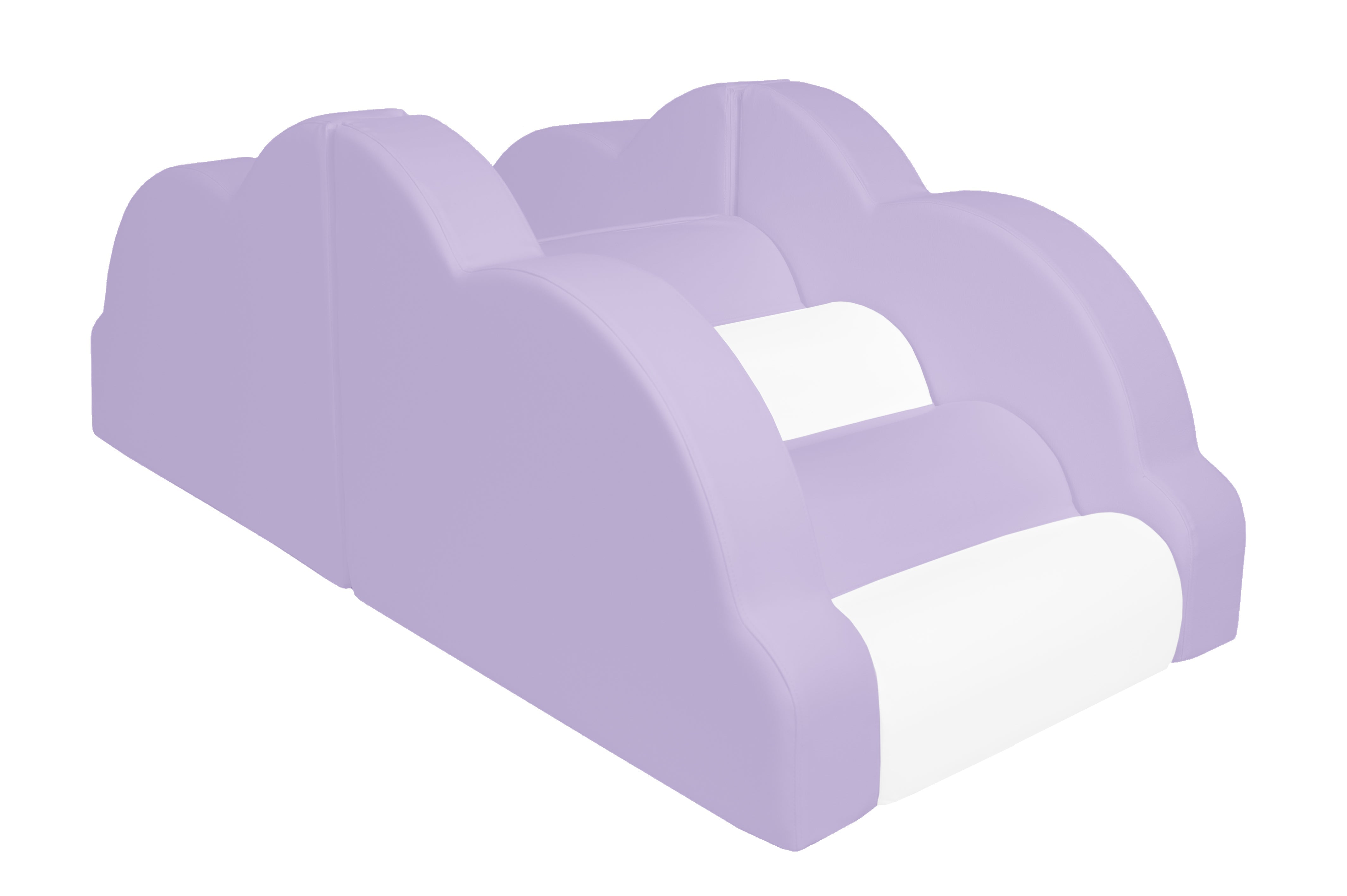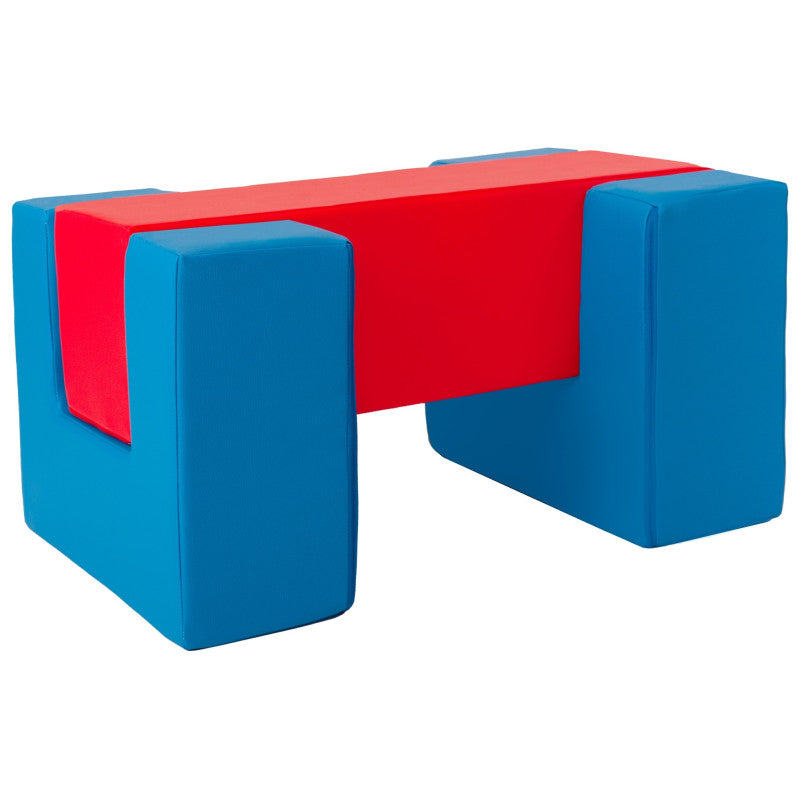
How to Create a Calm Sensory Play Space at Home
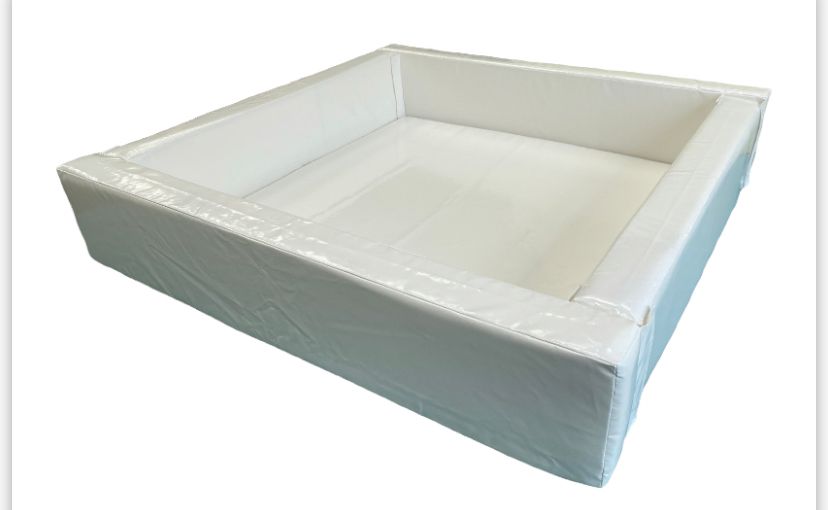
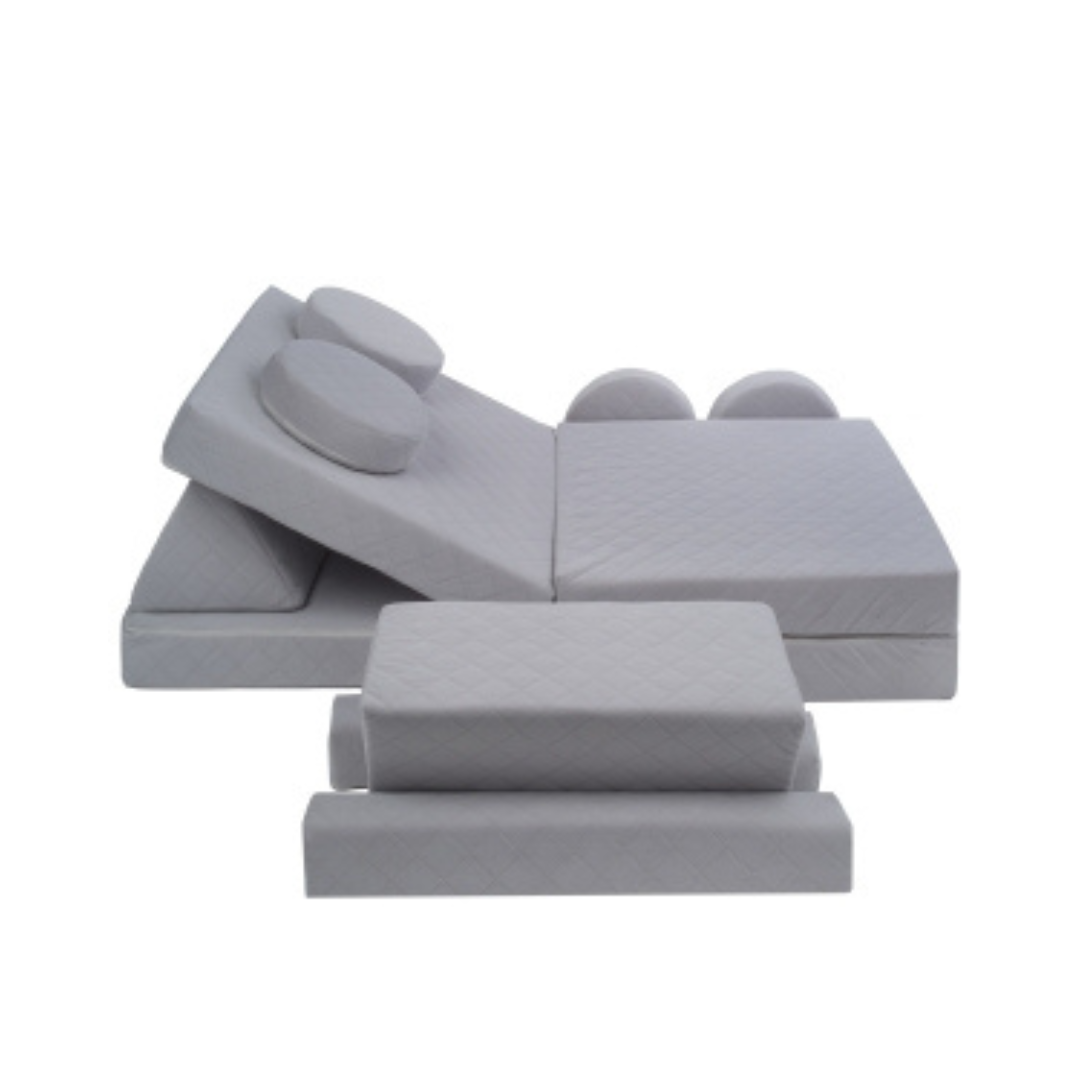
A calm sensory play space is usually smaller and more planned than parents expect. The aim is not to fill a room with equipment. It is to give a child a predictable place to move, touch, climb, rol...

Keeping Soft Play Clean: How to Wipe Down, Reduce Germs, and Handle Everyday Mess
Most soft play cleaning problems start before the first wipe. Food residue, saliva, mud and sticky hands sit in seams, corners and ball pools, so a quick scented wipe over the top can make equipmen...

Toddler Obstacle Courses at Home: 10 Easy Setups that Burn Energy
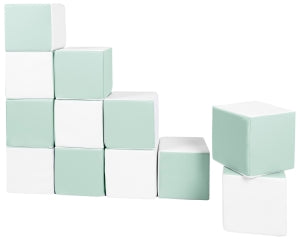
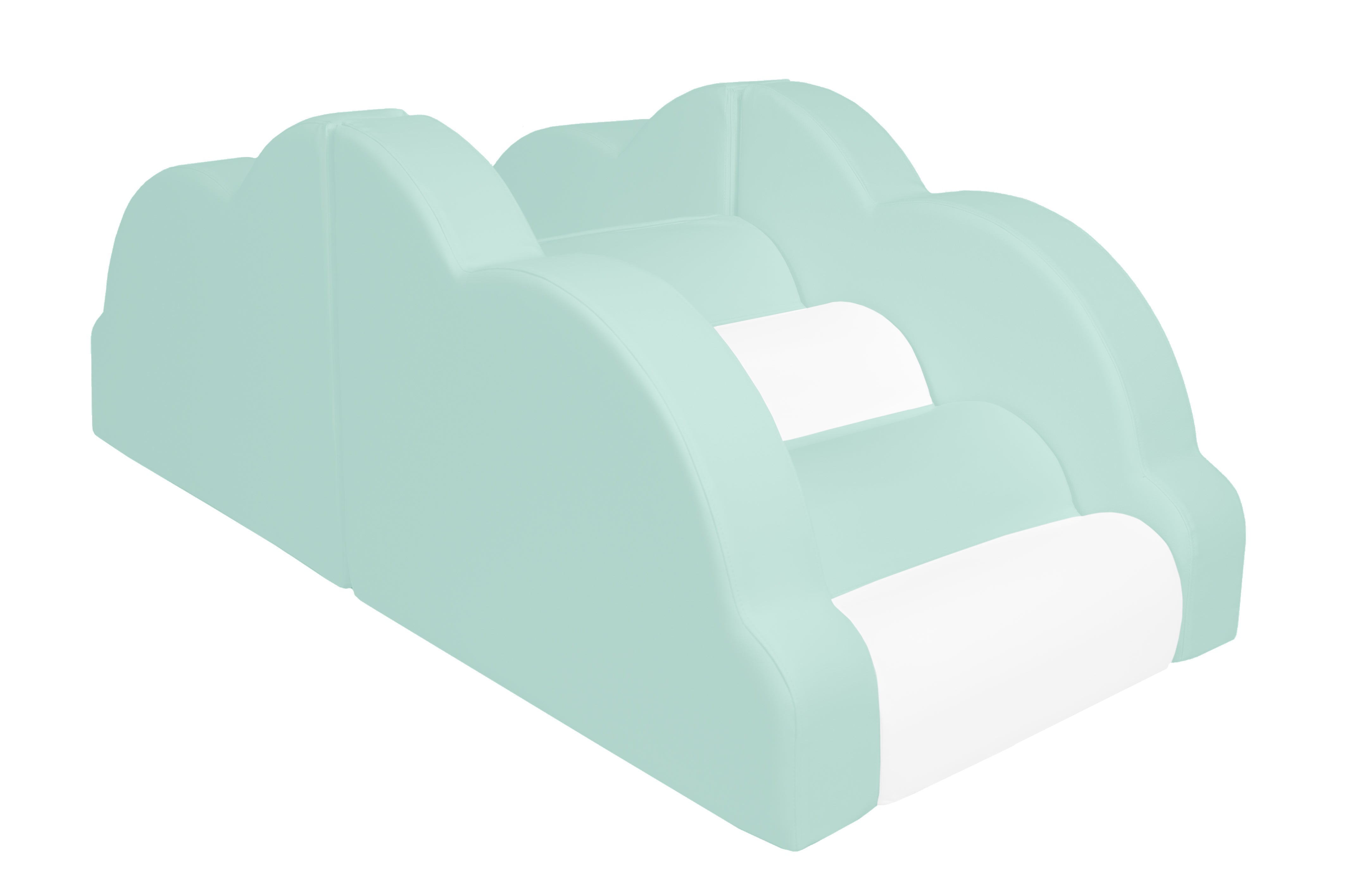
Toddlers are built to move. NHS says walking toddlers should be physically active for at least three hours across the day. A home obstacle course adds that movement when the weather is poor, the pa...

First Steps Indoors: Soft Play Games for New Walkers (12–18 Months)
New walking changes family life quickly. Between 12 and 18 months, many toddlers move from supported steps to more independent walking, though each child follows their own timetable. The CDC lists ...

Is Soft Play Safe for Babies? A Practical Home Safety Checklist
Soft play can be safe for babies when it is age-appropriate, set up properly and used under close adult supervision. The main concerns are not usually the idea of soft play itself, but poor product...

Soft play at home looks simple: a few foam shapes, a bit of floor space, and a child who’s keen to climb on everything. Under the surface, it can be a genuinely useful way to give babies and toddl...

The Ultimate Guide to Buying Baby Soft Play Sets: Size, Safety, and Style Tips
When babies start rolling and crawling, ordinary floors and table legs quickly feel risky. A soft play set gives them a cushioned zone to move with fewer bumps and keeps their play in one easy to w...