Most soft play cleaning problems start before the first wipe. Food residue, saliva, mud and sticky hands sit in seams, corners and ball pools, so a quick scented wipe over the top can make equipment look better without dealing with what children actually touch.
Good cleaning has an order: remove dirt, use a surface-suitable cleaner, disinfect where the risk calls for it, then let everything dry before play starts again. Damp corners and wet balls can create a bigger hygiene problem than the original mess.
At Raynes Baby World, we stock soft play, ball pools, bouncy castles, inflatables, play cages, commercial flooring and play accessories for home, party and hire-business use.
Start with the surface, not the spray
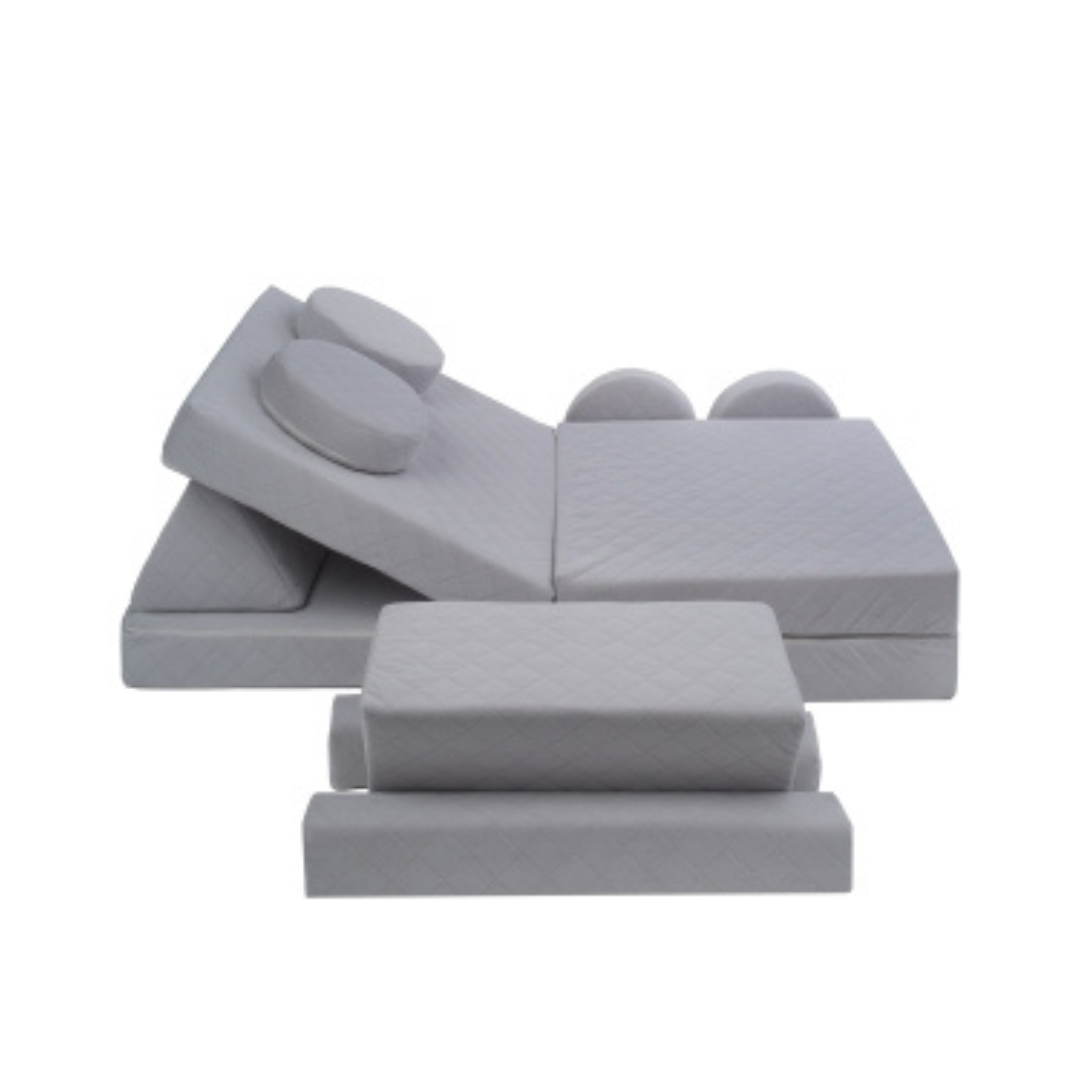
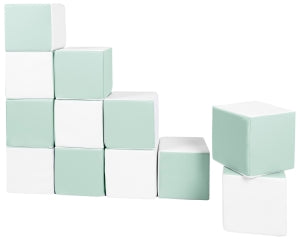
Soft play sets, ball pools, inflatables and play cages are not cleaned in the same way. A wipeable soft play shape may cope with a damp cloth and mild detergent, but fabric ball pools, inflatable joins, Velcro areas, commercial flooring and replacement covers can need different care. Check the product guidance before using a new cleaner.
Avoid soaking foam-filled items. Water forced into seams or zips can be hard to dry and may affect the cover or inner material. Avoid abrasive pads, strong solvents and heavily perfumed sprays unless the product information confirms they are suitable. If you use disinfectant wipes, clean visible dirt first.
A wipe-down should follow a pattern
Work from cleaner areas to dirtier areas. Remove loose debris, wipe large surfaces, then pay attention to seams, handles, steps, crawl-through areas, ball pool walls and climbing pieces. Dry the equipment before children return to it.
For home use, wipe after messy play and do a fuller weekly clean if the set is used often. If a child has been unwell, clean and disinfect touched surfaces before the next use. In party hire and small play-centre settings, clean before and after sessions, with extra checks during busy use.
| Everyday mess | What to do first | Extra caution |
|---|---|---|
| Food or drink | Remove residue, clean with mild detergent, dry fully | Keep snacks away from ball pools where possible |
| Mud | Brush off dry dirt, then wipe | Check seams and bases before storage |
| Saliva | Remove affected items, clean and dry | Increase cleaning during coughs and colds |
| Urine, vomit or blood | Keep children away, use gloves and clean immediately | Some chlorine products are not suitable for urine |
Ball pools need more than clean balls
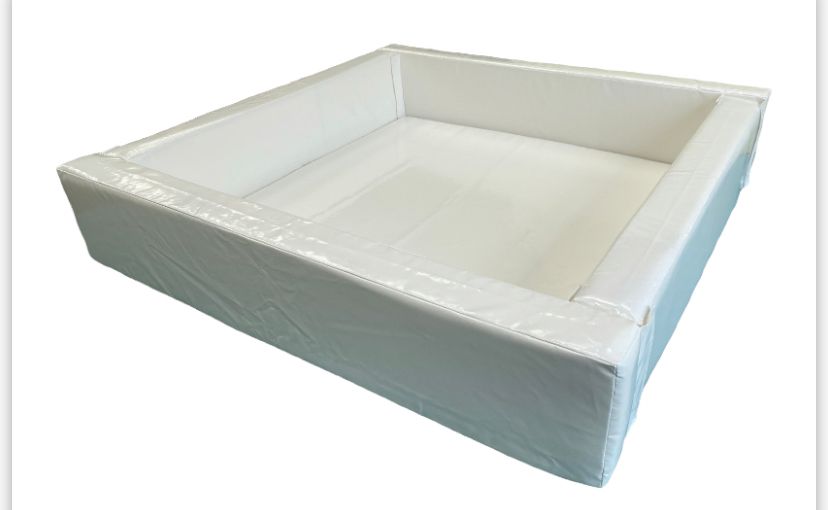
Ball pools are often judged by colour, size and how many balls they hold, but cleaning should shape the buying choice too. A smaller home pool may be easier to empty, wipe and refill. A larger commercial ball pool may suit a hire setup, but it needs space and tubs to clean and dry balls between bookings.
Don’t pour clean balls back into a damp base. Wipe the inside walls, corners and floor first, then let the surface dry. Remove cracked, crushed or damaged balls, as they can trap grime and create sharp edges. Our ball pool options include different styles, so compare the size, material, intended use and storage needs before choosing.
Hire equipment needs records as well as wipes
A family playroom and a hire business have different cleaning pressures. Hire stock may move between houses, venues, gardens and parties, with different age groups, surfaces and mess every time.
For hire use, write down what was cleaned, when it was cleaned, what was inspected and whether anything was removed from use. Cleaning is also a chance to spot torn covers, loose Velcro, worn seams, soft spots, punctures, dirty matting or weak anchor points on inflatable equipment.
Bouncy castles and inflatables need cleaning alongside operator checks, user limits, anchoring, weather rules and the manufacturer’s operating instructions. Commercial buyers should also check insurance, inspection duties and any local requirements before hiring equipment to the public. Our bouncy castles and inflatables and commercial items are listed by product type to help buyers compare the intended setting before ordering.
Choose equipment you can maintain
Cleanability should sit beside colour, price and size. Before buying, check the floor space, access, storage area, transport method and cleaning time. For commercial or made-to-order items, also check delivery estimates and return restrictions, as these can vary by product category and location.
If you’re building a home setup, our soft play collection helps you compare shapes and sizes before ordering.
If you are choosing soft play for a baby or toddler, our age-by-age soft play development guide can help you match the equipment to your child’s stage before thinking about cleaning and storage.
Frequently Asked Questions
How often should I clean soft play at home?
Wipe it after messy play, clean high-touch areas regularly and do a fuller clean at least weekly if it is used often. Clean straight away after illness, toilet accidents, food spills or outdoor use.
Can I use disinfectant wipes on soft play?
Often, yes, but only if they suit the material. Remove visible dirt first, follow the wipe contact time, avoid soaking seams and dry the surface before children use it again.
What should I do if soft play smells damp?
Stop using it until it is fully dry. Empty ball pools, open removable covers where the product allows, increase ventilation and check for trapped moisture.
For help choosing equipment that is practical to clean, browse our soft play and ball pool collections to compare sizes, materials and types. If you’re buying for a hire business or commercial setting, contact our team before ordering so we can help you think through product type, sizing and delivery.

Leave a comment
This site is protected by hCaptcha and the hCaptcha Privacy Policy and Terms of Service apply.