

Tummy time is supervised play on a baby’s tummy while they are awake. In the first six months, it helps build neck, shoulder and back strength, and health sources like NHS advise starting from birth with short, calm sessions, often on a parent’s chest before moving to the floor. The easiest way to make it work is to keep it brief, choose settled moments, and turn it into simple face-to-face, sensory and movement-based play.
At a glance
- Best for: babies from birth to 6 months
- Aim: short, supervised sessions while baby is awake
- Helpful for: head control, shoulder strength and early movement patterns
- Good approach: little and often, with play built in
- Especially useful when a baby dislikes the floor: start on the chest, lap or with towel support
Why tummy time matters and how to make it easier
Many parents hear that tummy time is good for development, then discover that their baby is not keen on it at all. That is where most of the stress begins.
The good news is that protest is common, especially in the early weeks. Small amounts still count, and experts recommend beginning with very short sessions and building up gradually.
What usually helps is a change in mindset. Rather than treating tummy time as a fixed exercise block, it is better seen as part of everyday floor play. A minute after a nappy change, a brief chest-to-chest cuddle, or a quick look in a mirror can all contribute.
Before you start: Simple tummy time setup tips
A safe and calm set-up makes all the difference:
- Choose a time when your baby is awake, alert and reasonably content.
- Avoid starting immediately after a feed.
- Use a firm, uncluttered floor surface.
- Stay close and supervise throughout.
- If your baby struggles to lift their head, a small rolled towel under the chest or armpits can help.
- Stop before your baby becomes overtired or very upset.
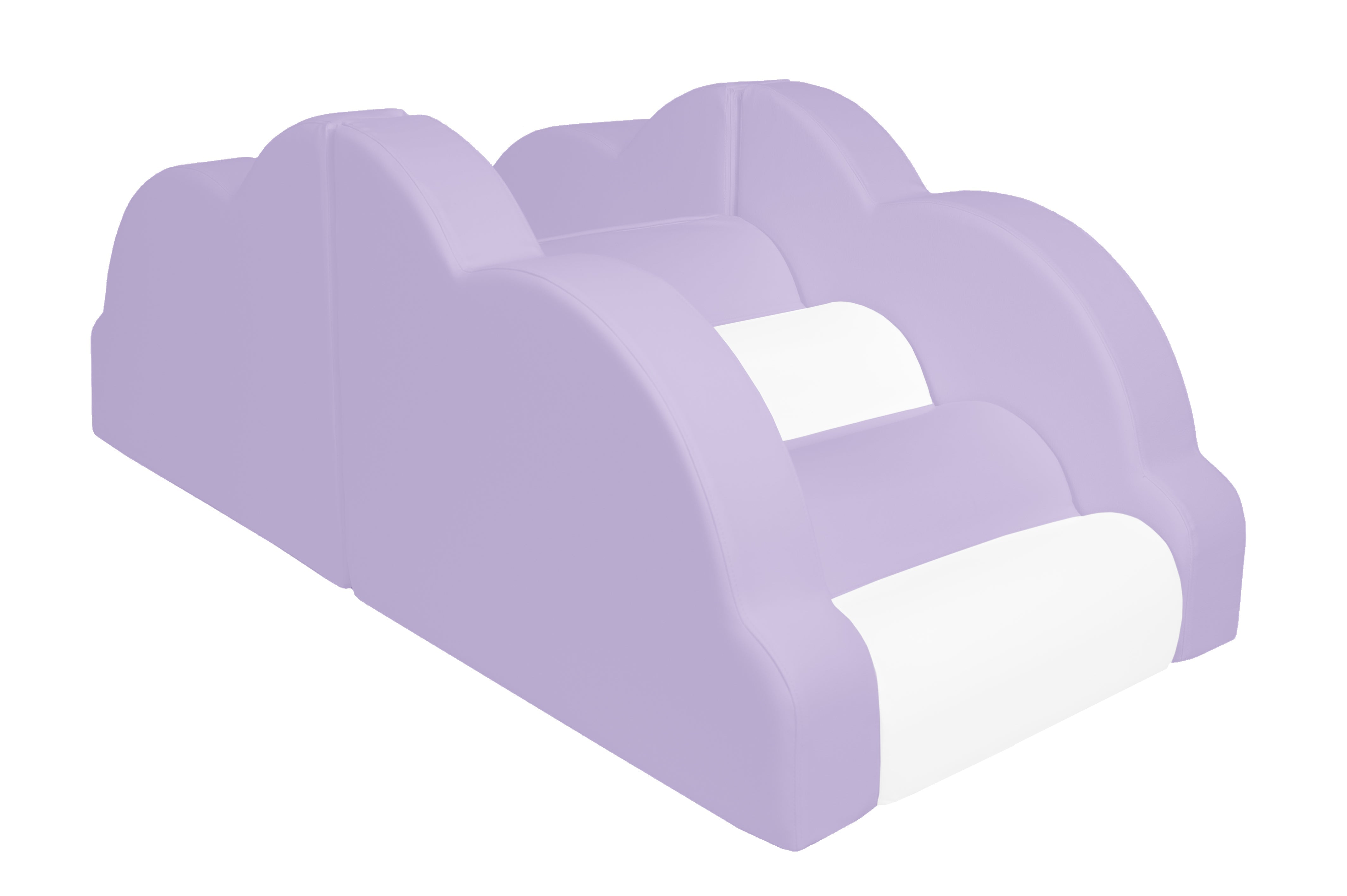
For families who want a dedicated play area, Raynes Baby World sells Deluxe Tumble Mats, which can provide a padded, wipe-clean surface for repeated floor sessions. Also try the Beam, Step & Slide, a product more suited to older babies who are beginning to move with more confidence.
12 tummy time ideas for babies 0 to 6 months
Face-to-face connection play
1. Chest-to-chest tummy time
Recline slightly and place your baby on your chest. Your face is the focus, which often makes early sessions feel less daunting.
2. Eye-level talking
Lie on the floor opposite your baby and talk softly, sing, or smile. Human faces tend to hold attention better than toys in the first weeks.
3. Mirror time
A baby-safe mirror in front of your child can encourage head lifting and longer stretches of interest.
4. High-contrast card play
Black-and-white picture cards placed just ahead of your baby can encourage visual tracking and make early floor play more engaging. This is one easy route into sensory play for babies. Mirror play and high-contrast cards can also work well as sensory play for babies, especially in the first few months when visual stimulation matters most.
Sensory and movement play
5. Rolled towel support
A small towel under the chest can make the position more comfortable and give your baby a better view.
6. Crinkle cloth reach
Place a soft crinkly toy or textured cloth nearby. The sound and feel add interest without making the space too busy.
7. Side-to-side scarf tracking
Move a lightweight scarf slowly from one side to the other. Small, unhurried movements are enough.
8. Short mat exploration
Let your baby spend a minute feeling different safe textures on a playmat, blanket or muslin. Parents often have more success when they vary the sensory experience rather than relying on one toy.
Tummy time for babies who fuss
9. Thirty-second sessions
Some babies cope better with several very short bursts than with one longer stretch.
10. Lap tummy time
Rest your baby across your lap and rub their back gently. This can feel more secure than the floor.
11. Post-nappy-change floor minute
A brief session after a nappy change is often easier to build into the day than a stand-alone routine.
12. Toy just out of reach
Place a soft toy near enough to notice but not so close that it offers no reason to lift the head.
These are often the most effective approaches for tummy time for fussy babies, because they lower the pressure and make the activity feel more reassuring.
For a broader look at how floor play develops beyond the early months, read From Tummy Time to First Steps: An Age-by-Age Guide to Soft Play for Baby and Toddler Development (Plus Safety + Setup Tips), which explains how play needs change as babies grow and become more mobile.

How tummy time changes from 0 to 6 months
0 to 2 months:
Keep it short and simple. Chest-to-chest time, lap tummy time and a rolled towel are often enough. The most useful new born tummy time tips are usually the simplest: start early, keep sessions short and stop before your baby becomes overtired.
2 to 4 months:
Many babies begin lifting the head more steadily. This is a good stage for mirror play, songs and high-contrast cards.
4 to 6 months:
Babies often start reaching further, pushing through the arms and pivoting. At this point, a larger padded space can be helpful, and products such as Raynes Baby World’s Beam, Step Slide or soft play flooring may become more relevant than they were in the new born phase.
Frequently Asked Questions
1) When should I start tummy time with my baby?
UK NHS says tummy time can start from birth, often by lying your baby on your chest while you are fully awake. Floor sessions can follow when your baby is ready.
2) How long should tummy time last for a new born?
In the first few weeks, one to two minutes at a time is often enough. Healthier Together suggests building up to 10 to 15 minutes several times a day as your baby gets used to it.
3) What if my baby cries during tummy time?
That is common and does not mean you should stop trying altogether. Shorter bursts, chest or lap tummy time, side-lying, and more interaction from you can all help.
4) Is tummy time safe after a feed?
It is usually more comfortable to avoid it straight after feeding. A settled, alert moment tends to work better than a full tummy.
5) Do I need special equipment for tummy time?
No. A safe floor space and close supervision are enough. A padded mat can be useful for comfort and routine, but it is optional. Raynes Baby World’s Deluxe Tumble Mats fit that supporting role, while larger soft play items are better saved for later stages.
Final thoughts
Tummy time rarely looks tidy in real life. One day your baby may manage thirty seconds, the next several minutes. What matters most is consistency, supervision and a low-pressure approach. When floor play is folded into ordinary daily life, it becomes easier for parents to keep going and easier for babies to accept.
Help your baby grow stronger with simple tummy time routines that fit naturally into everyday play. Explore Raynes Baby World’s soft play mats and padded flooring to create a comfortable space for little ones to move, reach and explore.


Leave a comment
This site is protected by hCaptcha and the hCaptcha Privacy Policy and Terms of Service apply.