
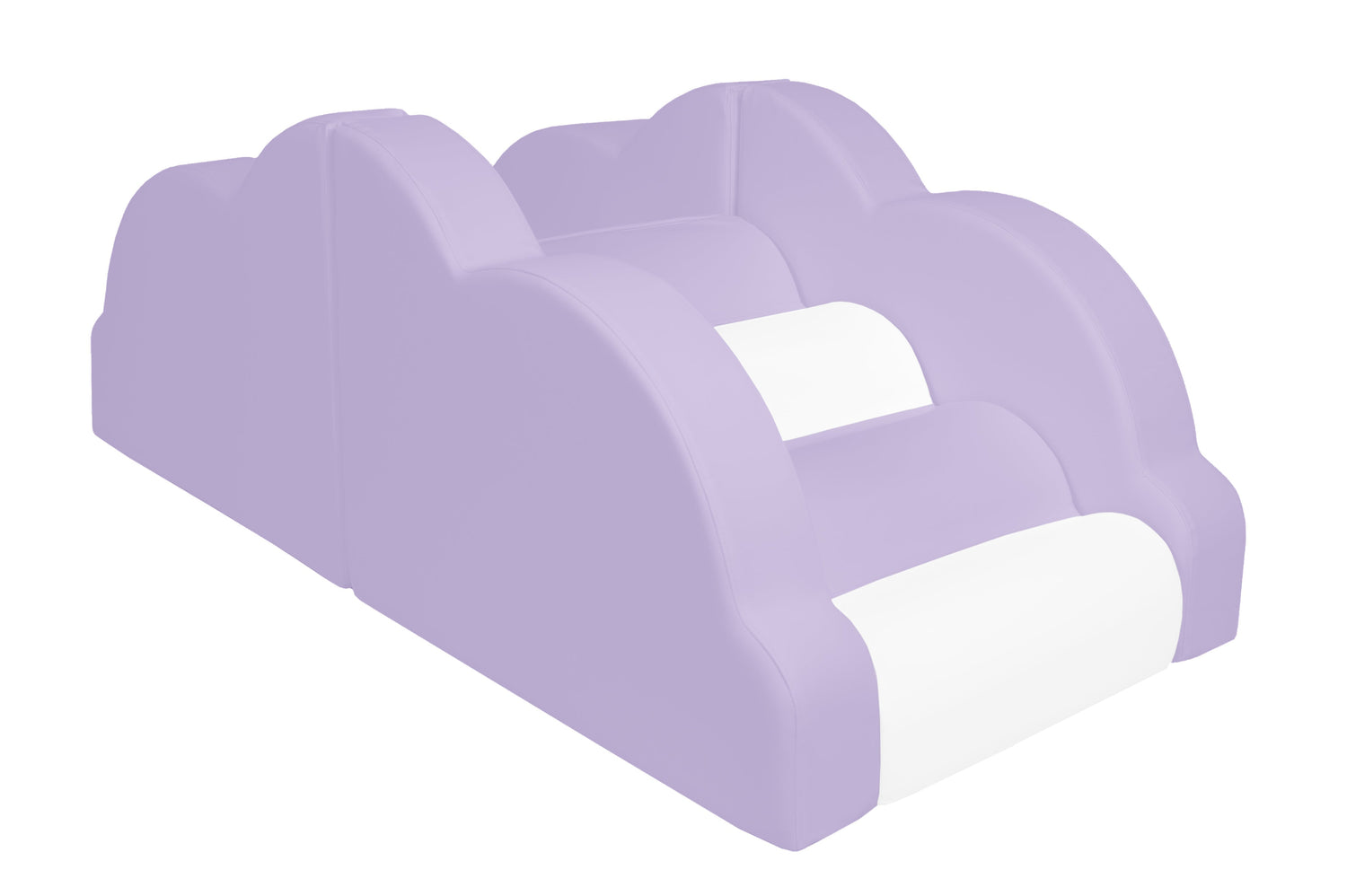
Soft play looks like simple fun, yet it gives young children a steady way to practise big movements in a safer space. A thoughtfully chosen baby soft play set can support pushing, rolling, crawling, standing and early climbing at home, without hard corners or slippery surfaces. It will not “fast-track” development, and it shouldn’t. What it can do is make everyday movement easier to repeat, which is often what little bodies need most.
Shop Soft Play at Raynes Baby World
What are Gross motor skills?
Gross motor skills are the large, whole-body actions that let children move through the world: rolling, sitting, crawling, pulling up, walking and climbing.
NHS services describe early movement as a build-up of strength and coordination, with time on hands and knees helping the shoulders, hips and arms, plus the ability to shift weight from side to side. Remember that every child develops at their own pace.
Why soft play fits this stage of life
Babies and toddlers learn through repetition. They try something, wobble, reset, then try again. Soft play supports that loop because it can be re-arranged to create small, manageable challenges: a low step one day, a gentle slope the next.
“Tummy time” is a good example of practice that adds up. A study found tummy time was positively associated with gross motor development and with movement in positions such as prone and crawling.
Soft pieces can make floor time more inviting by offering a slightly raised surface or a reachable target.
Soft play shapes that invite better movement
The best sets tend to include a mix of heights and angles rather than one large block.
- A wedge, a small step and a rounded piece each ask the body to work differently.
- A low incline encourages leg drive.
- A step invites a controlled lift of the knee.
- A rounded shape prompts balance reactions as a child crawls over it.
This matters because movement is not one skill, it is a collection of small adjustments. The American Academy of Pediatrics notes that play helps children build motor competence for gross motor skills and the confidence to join in more active play.
Crawling: more than getting from A to B
Crawling strengthens the trunk and shoulders and helps children coordinate left and right sides. Crawling is excellent for developing muscles, so much so that some children who miss it may show weakness later. At the same time, crawling patterns vary widely.
So what should parents take from that? Offer plenty of floor movement, and don’t panic if the route looks different. Soft play can help by creating inviting routes: a short “over” and “through” path that children choose to repeat.

Pulling up, cruising and the first climbs
Once a child starts pulling to stand, they are learning balance in a new plane. Soft play can provide a more forgiving height than a chair, giving them a place to practise hands-first support and a steady push through the feet.
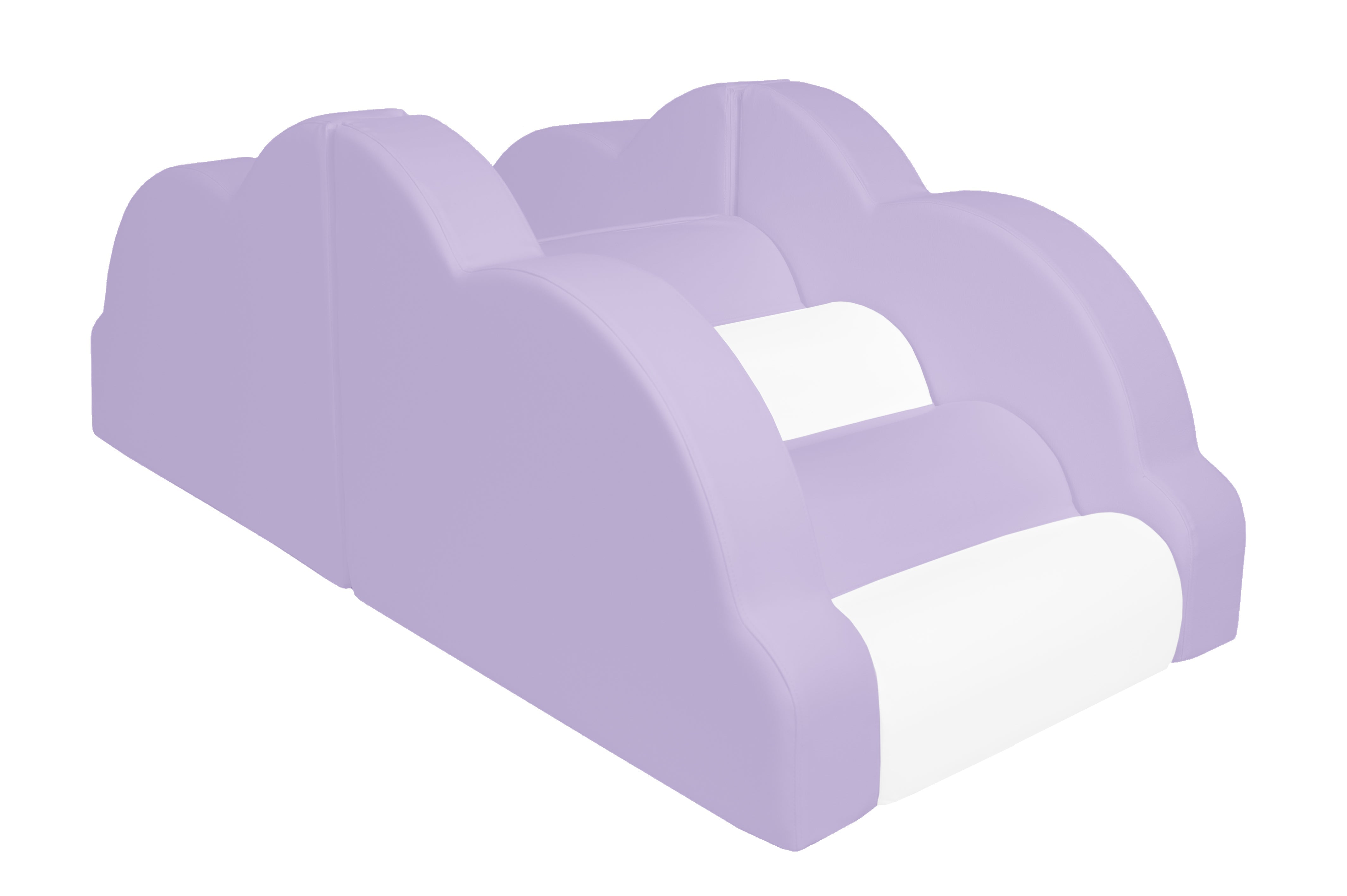
Climbing often follows naturally. Low, stable pieces let toddlers practise stepping up and, just as importantly, stepping down. This is where foam climbing blocks are useful: they offer controlled challenge, with a softer landing if a foot slips.
Safety and hygiene: the non-negotiables
Soft play should feel cosy, not careless. RoSPA stresses clean conditions and non-hazardous materials, plus clear procedures for dealing with mess. At home, that translates into wipe-clean covers, regular checks for splits, and prompt cleaning after spills.
A few habits help:
- Supervise closely, especially when pieces are stacked.
- Keep the layout low for beginners and away from sharp furniture.
- Use a non-slip mat if you have smooth flooring.
- Retire damaged pieces rather than patching them.
Making it part of ordinary days
The best routine is the one you will actually keep. Leave one or two pieces out and rotate them rather than building a big course every time. Sit nearby and let the child lead. If you want to guide, keep prompts light: place a toy just out of reach, or sit on the other side of a step and call them over.
Ready to build a safer little climbing corner at home? Explore the soft play range at Raynes Baby World and choose a set that suits your space and your child’s stage. Order today to give them more chances to crawl, pull up and climb in comfort.
Browse Raynes Baby World Soft Play
Frequently Asked Questions:
1) What age can a child start using soft play at home?
Many families start in the early months, using pieces mainly to support supervised floor play. Keep everything low and stable, and focus on short bursts. A wedge or rounded bolster can make tummy time more comfortable. As mobility grows, the same pieces can become obstacles to crawl over or steps to practise standing.
2) Will soft play make my child walk sooner?
It is not a shortcut. Children develop on their own timetable, and variation is normal. Soft play can provide regular chances to practise strength and balance, which may help a child feel more confident. Think of it as an environment that makes movement easier to repeat, not a promise of earlier milestones.
3) My child didn’t crawl. Is that a problem?
Not necessarily. Crawling can be highly variable, and the CDC does not list it as an essential milestone in its newer checklists. If your child is active, exploring and progressing in their own way, that is reassuring. If you notice stiffness, one-sided movement or frequent falls, speak with a health professional.
4) How do I keep soft play clean and safe?
Follow the manufacturer’s care instructions, then keep a simple routine. Wipe covers regularly, clean spills straight away, and allow pieces to dry fully. RoSPA highlights maintaining clean conditions and using non-hazardous materials in soft play settings.
5) What are easy gross motor activities to pair with soft play?
Short, frequent movement is usually best. Try tummy time, rolling to reach a toy, crawling over a low block, stepping up and down a single step, and pushing a lightweight box. Evidence links tummy time with positive gross motor outcomes. Keep it child-led and stop before frustration takes over.

Leave a comment
This site is protected by hCaptcha and the hCaptcha Privacy Policy and Terms of Service apply.