
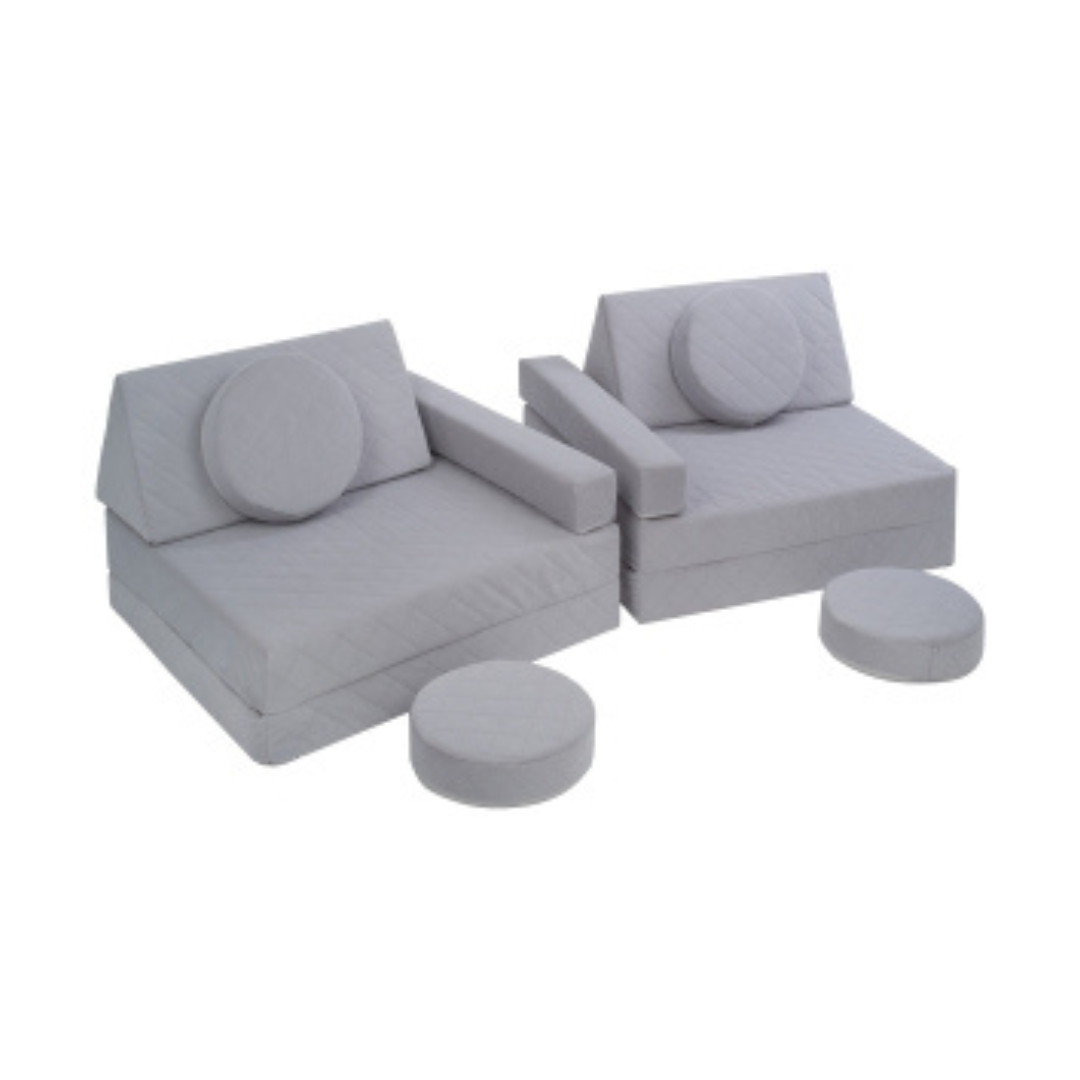
A house’s living room has always been multi-purpose. It’s where adults decompress, visitors land, and children somehow find room to move.
By 2026, that juggling act feels sharper because many UK households live with tight floorplans. There are national space standards for new homes, yet day-to-day living still comes down to how you use the space you’ve got.
That’s where Japandi soft play enters the picture. It offers indoor activity for babies and toddlers, without turning the lounge into a permanent playroom.
Japandi soft play in the UK: Why this look suits family homes
- Japandi is widely described as a blend of Scandinavian warmth and Japanese simplicity, often linked with wabi-sabi and hygge. In practical terms, it favours calm colours, natural textures, and a pared-back approach to “stuff”.
- Parents aren’t choosing it just because it photographs well. They choose it because a calmer palette creates less visual noise in a room everyone shares.
- There’s also a cultural shift behind it. More people now expect children’s items to live in plain sight, and still look like they belong.
Best neutral soft play sets for UK living rooms: what “saving the room” means
- For many families, “saving the living room” doesn’t mean hiding play away. It means stopping toys from spreading across every corner, every day.
- A good set creates a defined play zone. Children know where climbing and tumbling happens, and adults regain a clear route through the room.
- It also needs to pack down quickly. Stackable pieces can slide beside a sofa or under a console table, instead of demanding a whole cupboard.
- This is where neutral soft play sets make a difference. Soft shapes in beige, stone, cream, and muted pastels can sit next to adult furniture without clashing.
- Retailers have adapted to this preference. Good stores offer multiple soft play categories (including step-and-slide styles, arches, tunnels, stacking blocks, and foam furniture), which suits homes where one set has to do several jobs.
Soft play sets for babies vs toddlers: buying for movement, not milestones
- It’s tempting to buy based on age labels alone. In reality, children develop at different speeds, and your living room layout matters just as much.
- For babies, soft play is often about simple, low challenges: rolling, reaching, pulling up, and controlled wobbling. You’re aiming for safe practice, not height.
- For toddlers, the same shapes become a daily outlet for climbing, balancing, stepping, and small jumps. The novelty often comes from rearranging pieces, not buying more.
- The NHS says under-fives should spend at least 180 minutes a day being physically active, spread through the day, with pre-schoolers also getting at least 60 minutes of that at a higher intensity. Indoor movement helps on wet, cold, or dark days.
- If you want one anchor purchase, a foam soft play set with a step and an incline is flexible. It can be used gently at first, then reconfigured as confidence grows.
Ball pit / ball pool styling: sensory play that doesn’t overwhelm the space
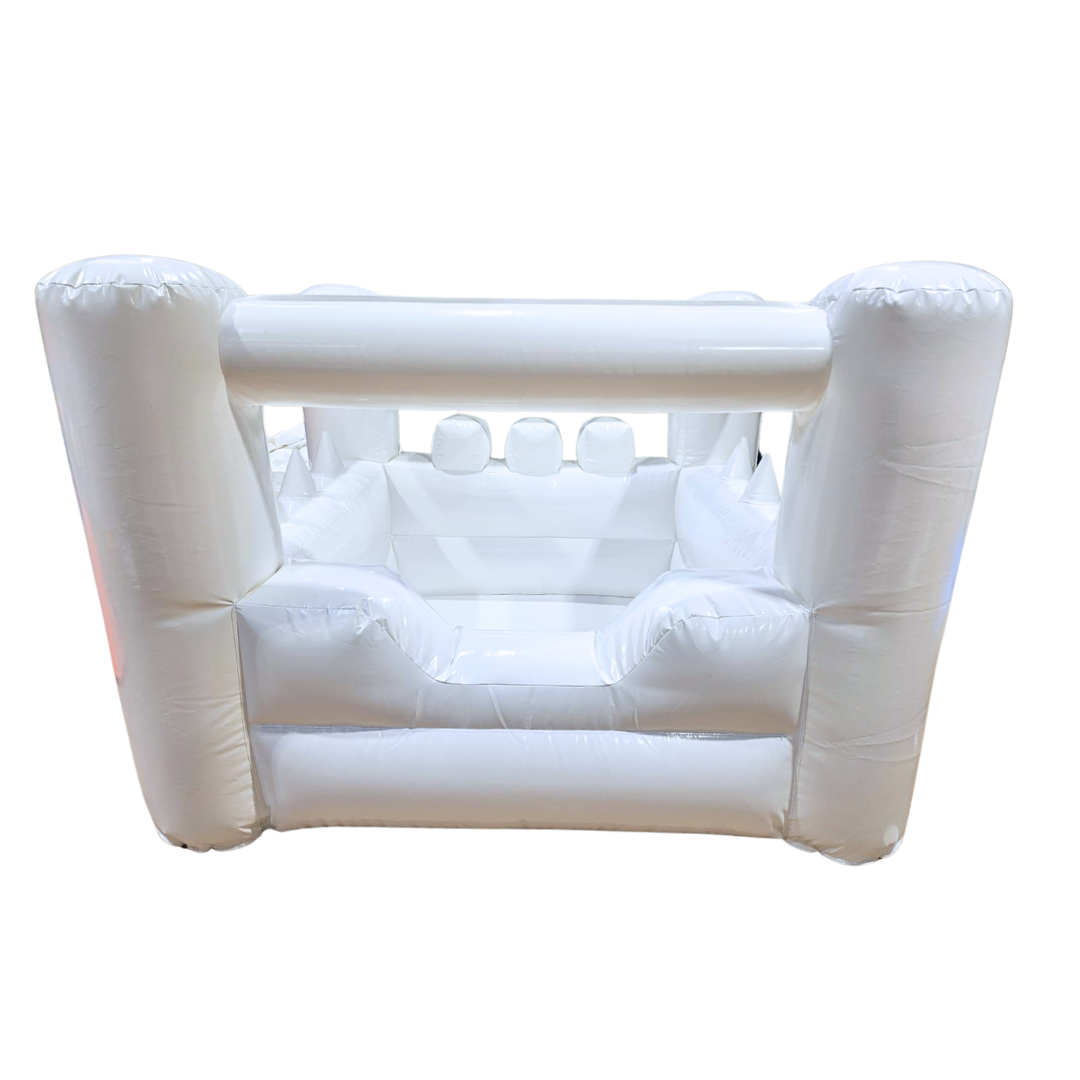
Ball pools have become a staple again, partly because they keep children busy without screens, and partly because designs now suit modern interiors.
The styling approach is straightforward. Treat the ball pool like a piece of furniture, not a toy heap. Give it a fixed spot and keep it out of the main walkway.
Ball choice matters too. A limited palette looks calmer, and it’s easier to tidy when everything matches.

Safety checklist for indoor soft play at home: simple habits that reduce risk
Soft play is forgiving, but it still needs sensible use.
- Start with placement. Put the set on a stable surface and clear nearby hard edges before energetic play begins.
- Keep play age-appropriate and supervised, especially if babies and older toddlers share the room. Indoor play settings rely on appropriate planning and supervision, and must follow the standards. Even at home, ensure clear sightlines, sensible limits, and routine checks.
- Maintenance is the quiet part people forget. A quick look for split seams, loose covers, or slipping bases prevents most avoidable mishaps.
RIBA’s The Case for Space argues that relatively small differences in floor area can change how a household lives, right down to whether a desk can fit in the living room. When space is tight, tidy, stackable play equipment becomes a practical tool, not an indulgence.
The appeal of Japandi soft play, in the end, is balance. Children get daily movement indoors. Adults get a room that still feels like a living room when the toys are out.
Create a calm, clutter-free play zone that actually fits your living room with Japandi-inspired soft play made for everyday UK homes. Shop the collection at Raynes Baby World today.
Also Read: The Perfect Pair: Combining Baby Bounce and Soft Play Sets for Ultimate Fun
Frequently Asked Questions:
-
What is Japandi soft play?
Japandi soft play refers to soft play shapes and sets chosen to match Japandi interiors: minimal shapes, calm colours, and natural-looking finishes. The goal is practical indoor play that doesn’t dominate the room visually, while still supporting active movement.
-
What’s the best soft play set for a small UK living room?
A compact modular set usually works best: two to four pieces that stack and can be rearranged. Step-and-slide combinations, arches, and tunnels give variety without taking over the floor. Retail category menus can be useful for comparing formats quickly.
-
How do I make soft play look nice in my living room?
Pick one area and keep the set there, so it reads as a defined play zone. Choose a limited colour palette and store extra pieces in a basket or ottoman nearby. When items have a “home”, the whole room feels calmer.
-
How do I clean and disinfect soft play at home?
Follow the maker’s guidance first. Many wipe-clean covers are designed for regular cleaning, but products vary by material. Some listings highlight easy-clean upholstery, which helps for everyday mess and sticky hands.
-
How many balls do I need for a baby ball pit?
It depends on the pit size and how deep you want the fill. Many retailers offer ball quantity options or separate “extra balls”, making it easy to start lighter and top up if you want a fuller pit later.

Leave a comment
This site is protected by hCaptcha and the hCaptcha Privacy Policy and Terms of Service apply.