
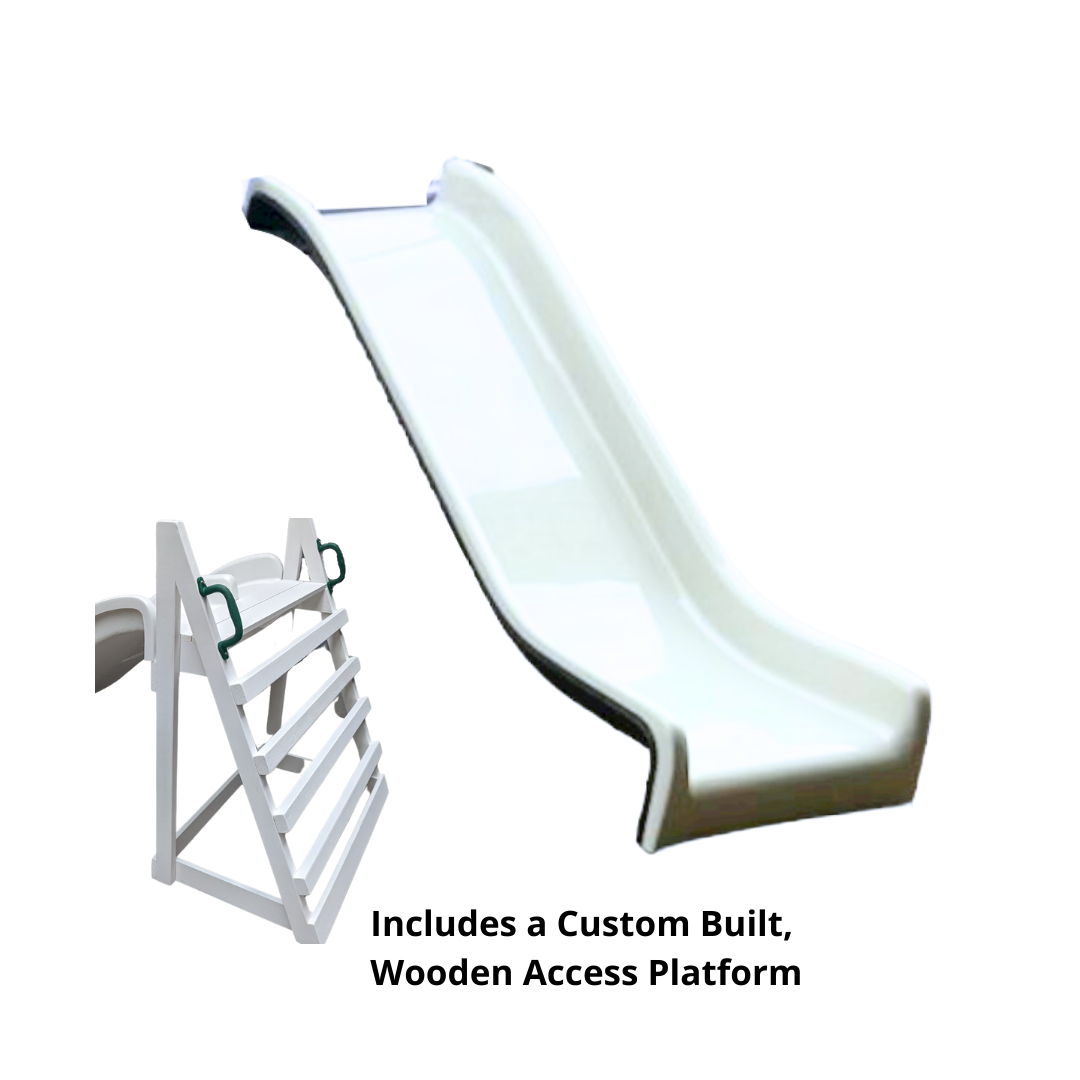
A small play zone can do a lot for children and carers alike. Pairing a fibreglass slide with soft-play blocks, mats and fencing gives movement, safe landings and flexible layouts without swallowing the whole room or garden. The trick is choosing durable materials, planning clear space around the slide and keeping a sensible cleaning routine.
Why fibreglass slides keep their shape
Fibreglass, often called GRP, copes well with British weather and busy hands. It resists water and corrosion, so rain, spills or damp do not cause swelling or rust. A quality gel-coat on fiberglass slide UK provides UV stability, helping colour and surface finish hold up outdoors. GRP can also be moulded into smooth, continuous curves that feel comfortable and reduce snag points. Day to day, it needs far less upkeep than timber or powder-coated steel.
Soft-play: the practical partner
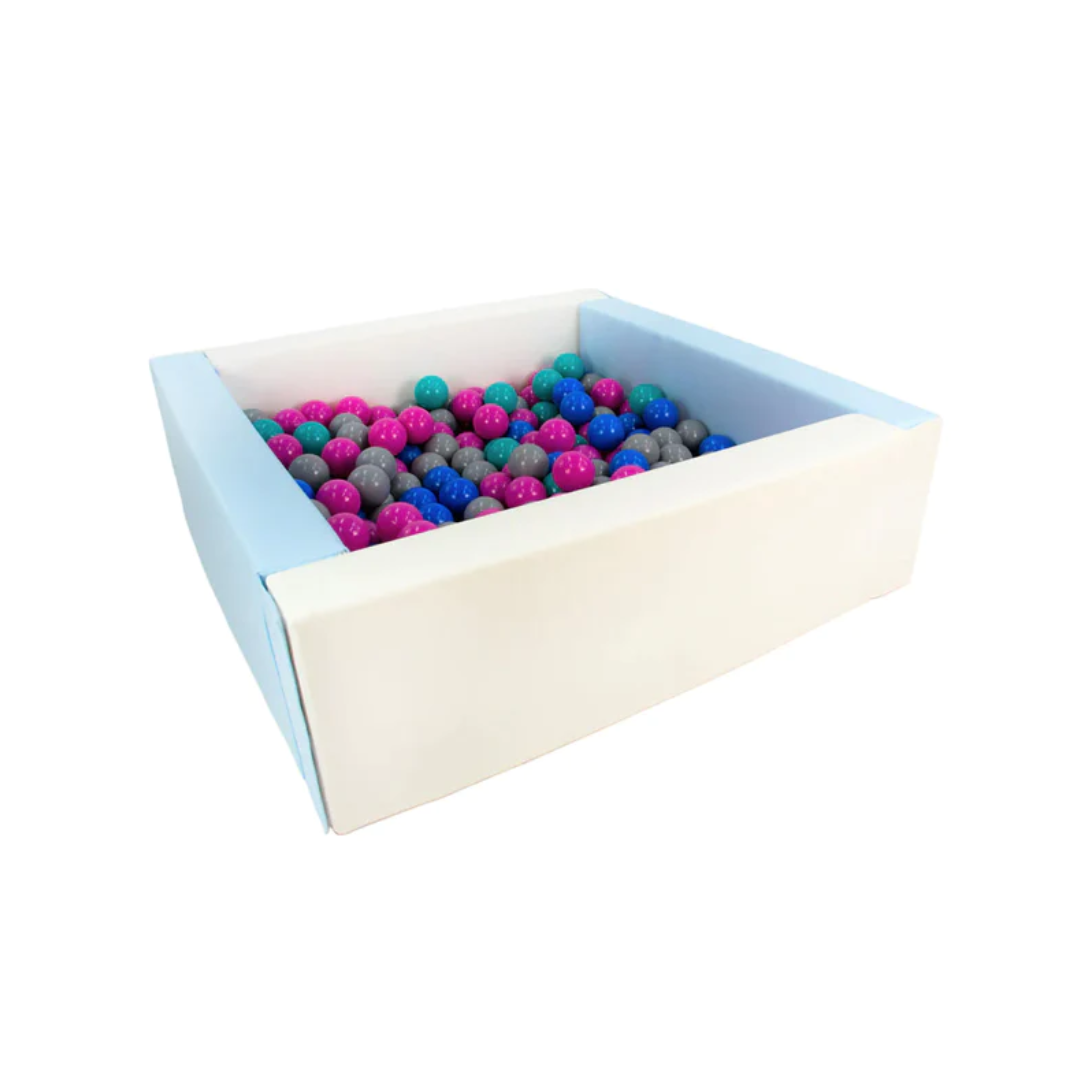
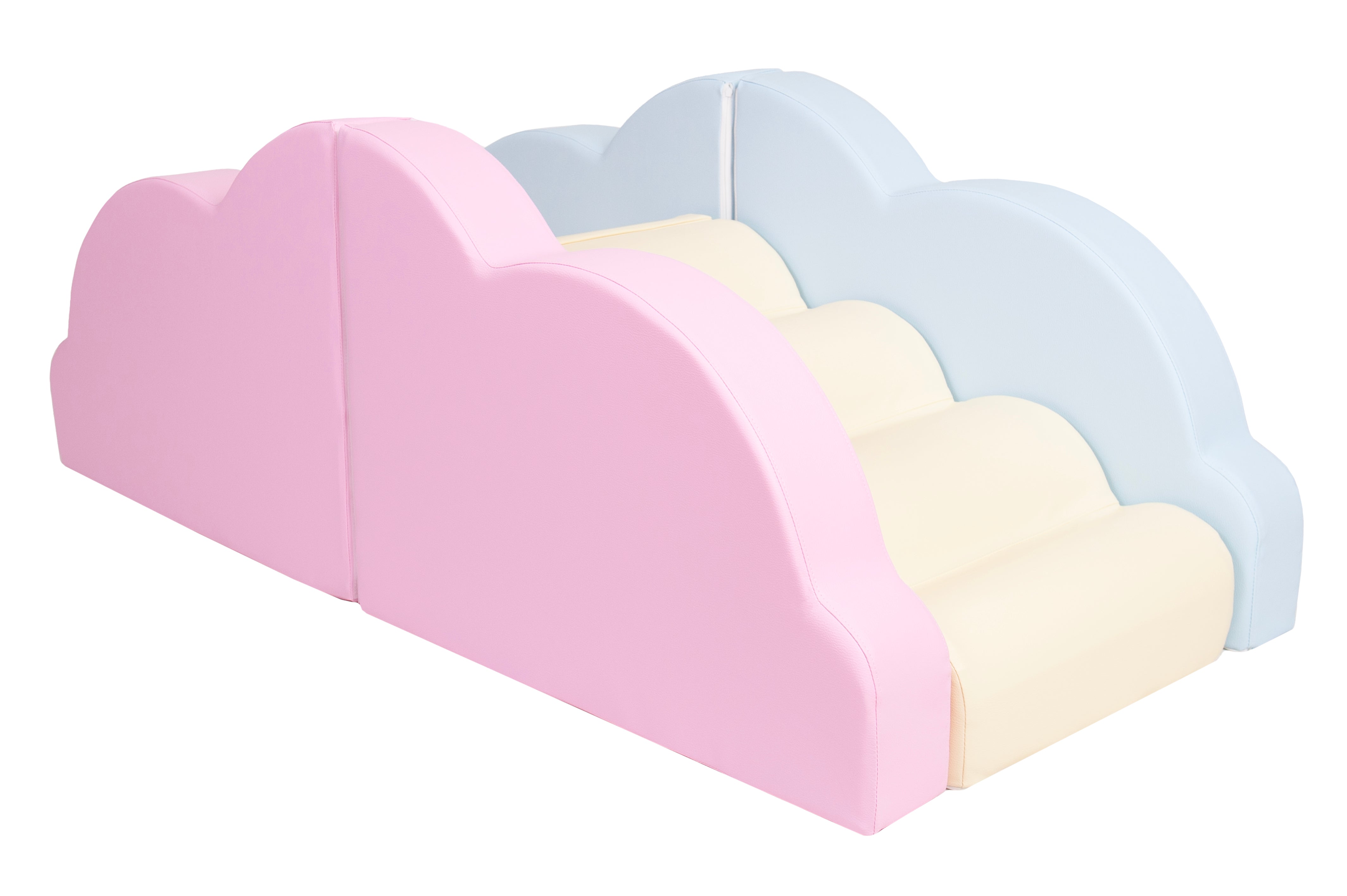
Soft-play pieces use dense foam cores wrapped in PVC or PU-coated fabrics. The covers wipe clean and the blocks absorb knocks without collapsing. For routine care, a mild, pH-neutral detergent and warm water work well on vinyl-covered foam; harsh solvents shorten the life of seams and coatings. In educational and commercial settings, coated fabrics and foams are commonly specified to toy and furniture safety benchmarks such as EN 71 and BS 7176 low-hazard ignition. Those labels point to low migration of certain elements and improved fire performance.
Do you need specialist cleansers every week?
No. A simple wipe-down after use, plus a deeper clean on a schedule that fits traffic levels, usually suffices. Reserve stronger products for marked areas or illness outbreaks, then rinse well.
Plan the layout before you buy
Start with measurements. A slide needs a clear “run-out” at the base, a stable ladder or platform at the top and side clearance for hands. Indoors, keep the exit away from door swings and sharp corners. Outdoors, pick level ground with good drainage and avoid hard edges like kerbs or low walls near the landing area. If the slide includes fixings, use suitable anchors and check them after the first weeks of use.
Soft-play blocks do the heavy lifting around the slide. Position wedge ramps to guide movement, add a thick fall mat where children land and use low picket fencing to signal the boundary. Keep paths around the zone uncluttered so adults can move in quickly.
Quick reference: indoor vs outdoor considerations
| Setting | Key points | Practical notes |
|---|---|---|
| Indoor playroom | Ventilation and wipe-clean finishes | Place mats on non-slip underlay; protect walls with soft panels behind the slide exit |
| Garage or hall | Hard floors and echo | Thicker crash mats; add felt feet to blocks to avoid scuffing |
| Patio or deck | Water run-off and sun exposure | Check fall mats are rated for exterior use; give shade to protect gel-coat and surfaces |
| Lawn | Variable softness and mud | Use grass-reinforcement or moveable mats; rotate position to rest worn turf |
Installation and upkeep that pay off
For fibreglass:
- Wash buy fiberglass slide surfaces with a soft-bristle brush and mild detergent. Rinse well. Avoid abrasive powders that dull the gel-coat. Periodically polish and wax high-touch sections to reduce chalking and water spots.
- Inspect for hairline cracks, loose fixings and sharp chips. Small gel-coat blemishes are usually repairable; address them promptly so grime and UV do not worsen the defect.
For soft-play:
- Wipe after sessions with pH-neutral detergent. Treat seams gently and avoid saturated cloths; standing moisture seeps into stitching.
- Store portable pieces off damp floors. Outdoors, bring blocks inside or into dry storage after use. Covers cope with splashes, but long exposure to rain and UV shortens life.
Do fibreglass slides need painting each year?
No. Proper gel-coat is the working surface. Minor oxidation responds to polish; repainting is rarely necessary unless damage or heavy ageing occurs.
Materials that age well together
The slide’s GRP body supplies stiffness and a smooth ride. Soft-play ramps and mats shape approach and landing. Together they spread load, protect floors and give you the freedom to reconfigure the zone as needs change. Outdoors, the pairing also solves seasonal shifts: on warm days you can bring the soft pieces out to the lawn, then return them indoors for dry storage.
Practical buying checklist
- Surface plan choose grass reinforcement, interlocking tiles or wet-pour to match fall height and use patterns suggested by EN 1177 testing practice.
- Material notes look for GRP slides with UV-stable gel-coat and sealed edges; for soft-play, check fabric and foam claims against recognised toy or furniture benchmarks where applicable.
- Access confirm doorway widths and stair turns for delivery; measure ceiling height for indoor setups.
- Fixings specify anchors suited to concrete, timber deck or compacted sub-base; retain the installation guide for future checks.
- Care kit keep a pH-neutral cleaner, soft brush, microfibre cloths and a non-abrasive polish for the slide on hand.
A small space, long service
A mini playground thrives on simplicity. Durable GRP gives you a slide that shrugs off rain, spilled drinks and enthusiastic use. Soft-play pieces shape the route, cushion the landing and tidy the edges. Plan clear space, match surfacing to fall height, and keep a light but regular cleaning routine. The result is a zone that invites active play in winter and summer alike, and still looks fresh after many sessions.

Leave a comment
This site is protected by hCaptcha and the hCaptcha Privacy Policy and Terms of Service apply.